Why Mid-Century Ranches and Split-Levels Need Modern Insulation Solutions
Mid-century ranches and split-level homes are architectural treasures that define the character of many neighborhoods across Rochester. Built between the 1950s and 1970s, these homes feature open floor plans, clean lines, and efficient use of space that homeowners still love today. However, their original insulation systems, often consisting of minimal fiberglass batts or no insulation at all, fall far short of modern energy efficiency standards.
The problem becomes especially acute in the attic, where temperature swings can be dramatic. During Rochester's brutal winters, uninsulated or under-insulated attics allow precious heat to escape, driving up heating costs. In summer, the opposite occurs: solar heat penetrates the roof and radiates downward, making air conditioning work overtime. This is where modern Attic Spray Foam Insulation becomes a game-changer. Unlike the insulation methods available when your home was built, spray foam creates an air-sealed thermal barrier that addresses both heat loss and air infiltration, the two biggest energy drains in older homes.
Spray Foam vs Blown-In Insulation: Which Performs Better?
When comparing spray foam vs blown in insulation, the differences are substantial and worth understanding. Blown-in insulation, typically made from cellulose, fiberglass, or mineral wool, is installed by blowing loose fibers into wall cavities or attic spaces. It's affordable and relatively quick to install, which explains its popularity as a retrofit option. However, blown-in insulation has a critical weakness: it doesn't seal air leaks. Even the best blown-in product has an R-value of around R-3.5 per inch, and it settles over time, reducing its effectiveness. In a Rochester attic where air infiltration around ductwork, electrical penetrations, and roof framing is common, blown-in insulation leaves gaps where conditioned air escapes.
Spray foam, by contrast, expands as it's applied, filling every crack and cavity while simultaneously creating an air seal. Closed Cell Spray Foam Insulation delivers an R-value of R-6 to R-7 per inch and provides structural rigidity, making it ideal for attics where you need both insulation and a moisture barrier. Open Cell Spray Foam Insulation offers R-3.5 to R-3.6 per inch but is more flexible and cost-effective, making it suitable for applications where maximum density isn't required. The air-sealing capability of spray foam means you're not just insulating; you're also preventing the air leakage that undermines the performance of blown-in systems. For homeowners in Rochester looking for long-term energy savings, this difference translates directly to lower utility bills.
Spray Foam vs Fiberglass: Why Spray Foam Wins in Attics
Fiberglass insulation has been the standard in American homes for decades, and many homeowners are familiar with the pink batts that line attic joists. The appeal is straightforward: fiberglass is inexpensive and easy to install yourself. However, when you compare spray foam vs fiberglass in real-world conditions, particularly in the complex attic spaces of mid-century homes, spray foam's advantages become clear. Fiberglass batts require perfect installation to achieve their rated R-value, with no gaps, compression, or air movement around the material. In practice, this rarely happens. Batts are often compressed, creating voids around pipes and wiring, and they do nothing to stop air infiltration through the attic floor or around penetrations.
Spray foam eliminates these installation challenges. Because it expands to fill cavities, there's no way to compress it or leave gaps. It adheres to framing, blocking, and irregular surfaces, creating a continuous thermal and air barrier. Fiberglass also absorbs moisture, which can lead to mold growth and degradation in humid conditions. Closed cell spray foam repels moisture, protecting your attic from the humidity that develops during seasonal temperature changes. Additionally, fiberglass provides no structural benefit, while closed cell spray foam adds rigidity to roof assemblies, which can be valuable in older homes with sagging rooflines. When considering the best insulation for attic applications, spray foam's performance, durability, and air-sealing properties make it the superior choice for homeowners seeking long-term value.
Spray Foam vs Cellulose: Understanding the Key Differences
Cellulose insulation is an eco-friendly option made from recycled paper treated with fire retardants. It's often marketed as a sustainable alternative to fiberglass and has a decent R-value of around R-3.6 per inch. Many homeowners attracted to the environmental angle of cellulose consider it for attic retrofit projects. However, when you examine spray foam vs cellulose in practical terms, several drawbacks of cellulose become apparent. Cellulose is hygroscopic, meaning it absorbs moisture from the air. In Rochester's climate, where humidity levels fluctuate seasonally, this moisture absorption can lead to settling, mold development, and loss of R-value over time. Cellulose also requires careful installation to avoid voids, and it can shift and settle within a year or two of installation, reducing its insulating effectiveness.
Spray foam, particularly closed cell varieties, addresses these concerns directly. It doesn't absorb moisture, won't settle, and maintains its R-value indefinitely. While cellulose may seem more environmentally friendly at first glance, spray foam's durability means it won't need replacement for 30 to 40 years, whereas cellulose often requires re-application within 10 to 15 years. Over the life of your home, this makes spray foam the more sustainable choice. For attics in older Rochester homes where moisture control and long-term performance matter, spray foam is the more reliable investment.
Attic Spray Foam Insulation Cost in Rochester: What to Budget
One of the first questions homeowners ask about spray foam is cost. The pricing for attic spray foam insulation varies based on attic size, accessibility, the type of spray foam used, and whether existing insulation needs removal. Open cell spray foam typically costs less per square foot than closed cell, making it an attractive option for budget-conscious homeowners. Closed cell spray foam costs more upfront but delivers superior R-value and moisture resistance, making it worth the investment for attics in older homes where moisture and air infiltration are concerns. Most attic projects in Rochester range from 800 to 1,500 square feet, and professional installation ensures proper application and warranty coverage that DIY attempts cannot provide.
Rather than viewing spray foam pricing as a cost, think of it as an investment in energy efficiency and home comfort. Many homeowners recoup their spray foam investment within 5 to 7 years through reduced heating and cooling bills. Unlike blown-in insulation that settles and loses effectiveness, spray foam maintains its performance for decades, meaning your energy savings continue long after the installation cost is forgotten. Rochester Spray Foam Insulation offers transparent pricing and detailed estimates so you know exactly what to expect. Contact the team at (507) 577-5314 to discuss your attic and receive a free estimate tailored to your home's specific needs.
Wall and Injection Foam Insulation for Mid-Century Homes
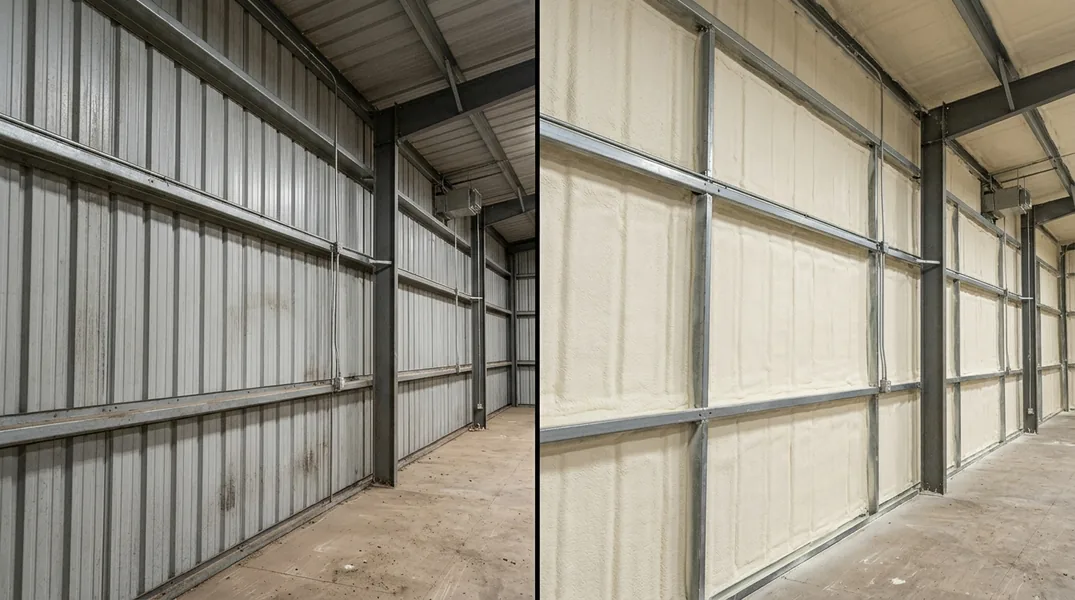
While attic insulation is crucial, the walls of mid-century ranches and split-levels often present their own energy challenges. Many homes of this era were built with minimal or no wall insulation, leaving exterior walls as thermal weak points. Retrofitting wall cavities with insulation is difficult with traditional methods, but Wall & Injection Foam Insulation offers an elegant solution. Injection foam is applied through small holes drilled into the wall cavity, allowing the foam to expand and fill the space without major disruption to your home's interior or exterior finishes.
This approach is particularly valuable for homeowners who want to improve energy efficiency without tearing into walls. The foam seals air leaks, prevents moisture infiltration, and adds thermal resistance where it's needed most. For mid-century homes in Rochester where wall cavities are often irregular or partially filled with outdated materials, injection foam provides a non-invasive way to achieve comprehensive insulation coverage. Combined with attic spray foam, wall injection creates a complete thermal envelope that dramatically improves comfort and reduces energy costs year-round.
Getting Started: Professional Spray Foam Installation Near Me
If you own a mid-century ranch or split-level in Rochester and recognize that your current insulation is underperforming, professional spray foam installation is the logical next step. The process begins with a thorough assessment of your attic, walls, and existing insulation. Rochester Spray Foam Insulation's team evaluates your home's specific conditions, identifies air leaks and thermal weak points, and recommends the right spray foam solution for your situation and budget.
Installation is typically completed in one day, with minimal disruption to your home. The team uses industry-leading equipment and materials, ensures proper ventilation and safety protocols, and leaves your attic cleaner and better organized than before. Most importantly, professional installation comes with warranties and guarantees that protect your investment. Don't let another winter pass with energy bills inflated by poor insulation. Reach out to Rochester Spray Foam Insulation today at (507) 577-5314 or request a free estimate to learn how spray foam can transform your home's comfort and efficiency.
Looking for a professional spray foam insulation contractor in Rochester? Rochester Spray Foam Insulation responds fast for all your spray foam insulation needs.
Get a Free Quote