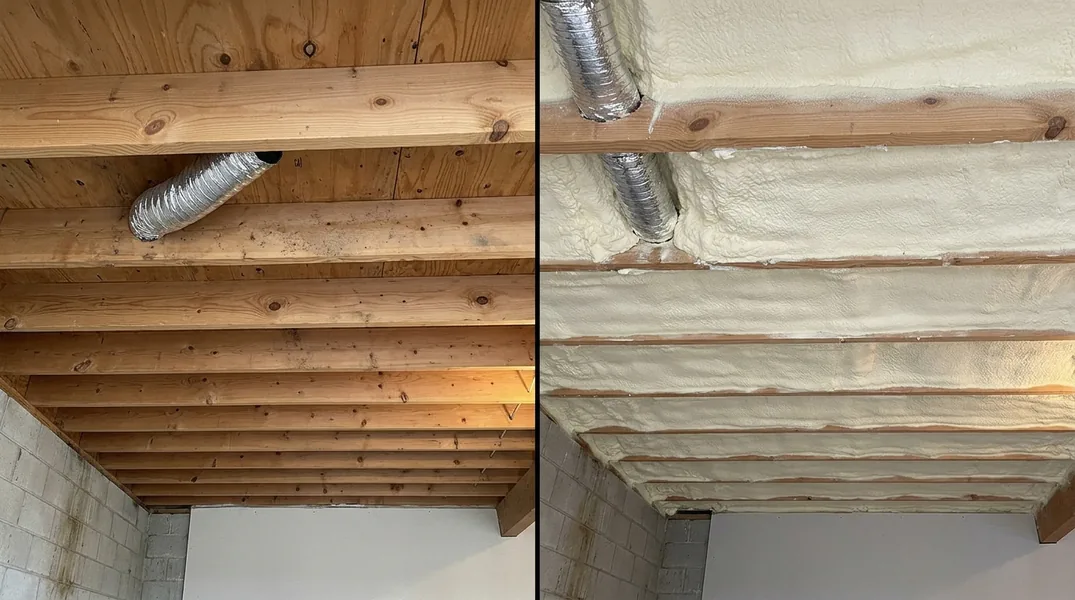
Why Permits Matter for Spray Foam Insulation Projects
When you're planning Attic Spray Foam Insulation work in Rochester, one of the most overlooked aspects of the project is understanding permit requirements. Many homeowners assume that insulation work doesn't require permits, or they leave that responsibility entirely to their contractor. However, permits serve a critical purpose: they ensure that your insulation project meets local building codes, protects your home's structural integrity, and maintains the safety standards set by Olmsted County and the City of Rochester.
Permits also create an official record of the work performed on your home. This documentation becomes invaluable if you ever sell your property, file an insurance claim, or need to reference the specifications of your insulation installation. A reputable contractor will be transparent about permit requirements and will explain why they're necessary for your specific project. If a contractor suggests skipping permits to save time or money, that's a red flag that should prompt you to seek a second opinion.
Understanding Open Cell vs. Closed Cell Spray Foam for Your Attic
Before diving into permit questions, it's important to understand the two main types of spray foam insulation available. Open Cell Spray Foam and Closed Cell Spray Foam Insulation have different properties, performance characteristics, and permit implications. Your contractor should be able to explain these differences clearly and recommend which type best suits your attic's specific conditions.
Open cell spray foam is lighter, more flexible, and typically less expensive. It allows water vapor to pass through, which can be beneficial in certain climates and applications. However, open cell foam has a lower spray foam r value per inch, meaning you'll need a thicker application to achieve the same insulation performance as closed cell alternatives. Closed cell spray foam is denser, more rigid, and provides superior insulation performance with a higher closed cell spray foam r value per inch. It also acts as a vapor barrier and air barrier, which can be crucial in Rochester's cold climate where moisture control matters significantly. When you discuss your project with your contractor, ask them to specify which type they recommend and why it's appropriate for your home's climate zone and attic configuration.
Key Permit Questions to Ask Your Spray Foam Contractor
When you meet with your contractor to discuss your insulation project, come prepared with specific questions about permits and code compliance. First, ask whether your project requires a permit from the City of Rochester or Olmsted County. The answer depends on the scope of your work, the square footage involved, and local regulations. A professional contractor will know these requirements and should provide a clear explanation of what permits are needed and why.
Second, inquire about the specific building codes and energy codes that apply to your project. Minnesota has adopted the International Energy Conservation Code, which sets minimum insulation values for different climate zones. Ask your contractor what spray foam r value they plan to achieve in your attic and how that meets or exceeds code requirements. Request documentation of these specifications in writing. Third, ask whether the contractor carries liability insurance and if they're licensed by the State of Minnesota for the work they'll perform. This protects you in case of accidents or defects. Finally, ask who will be responsible for obtaining the permit, submitting documentation to the building department, and scheduling any required inspections. A reputable contractor will handle these administrative tasks on your behalf and keep you informed throughout the process.
Closed Cell Spray Foam R Value: Understanding Performance Standards
The closed cell spray foam r value is one of the most important specifications to discuss with your contractor because it directly impacts both the performance and cost of your project. Closed cell foam typically provides an R-value of 6 to 7 per inch, which is significantly higher than open cell foam at 3.5 to 4 per inch. This means that if you're targeting an R-value of R-38 in your attic, closed cell foam would require roughly 6 inches of material, while open cell foam would need approximately 10 inches. Understanding these differences helps you evaluate both the effectiveness and the pricing of different options.
When your contractor provides an estimate, ask them to specify the exact R-value they'll achieve and confirm that it meets or exceeds the minimum requirements for your attic in Rochester's climate zone. Request that these specifications be included in your written contract. Some contractors may offer different thickness options at different price points. Don't automatically choose the cheapest option; instead, ensure that whatever R-value you select provides adequate insulation for Rochester's cold winters and will deliver energy savings that justify the investment. Your contractor should be able to explain how the chosen R-value will impact your heating and cooling costs year-round.
Local Code Compliance and Inspection Requirements in Rochester
Rochester has specific building codes that govern insulation work, particularly in attics where ventilation, moisture management, and fire safety are concerns. Ask your contractor whether your project will require inspection by the City of Rochester Building Department. Most attic spray foam projects do require at least a final inspection to verify that the work meets code. Some jurisdictions also require inspections at intermediate stages, such as after the foam is applied but before any drywall or finishing materials are installed. Understanding the inspection timeline helps you plan the project schedule and budget accordingly.
Fire safety is another critical consideration in Rochester. Spray foam insulation is a combustible material, and building codes often require that it be covered with a thermal barrier, such as drywall, to slow flame spread in the event of a fire. Ask your contractor whether your project includes this protective covering and whether it's included in their estimate or billed separately. Additionally, inquire about any ventilation requirements. Some code jurisdictions require that attic ventilation be maintained even after spray foam installation, while others allow closed attic systems. Your contractor should explain how your specific installation will comply with these requirements and what documentation will be provided to the building inspector.
Choosing a Contractor Who Handles Permits Professionally
The best way to ensure that your spray foam insulation project meets all permit and code requirements is to work with a contractor who prioritizes compliance and transparency. When you contact Rochester Spray Foam Insulation at (507) 577-5314 for a free estimate, ask about their permit process, their familiarity with Rochester and Olmsted County codes, and their experience with building department inspections. A professional contractor will welcome these questions and provide detailed answers without hesitation.
Before you sign a contract, request references from previous customers in Rochester and nearby areas like Byron and Stewartville. Ask those references whether the contractor handled permits professionally and whether the project was completed on schedule without code violations. A contractor with a strong reputation will have satisfied customers who can vouch for their attention to detail and regulatory compliance. Don't hesitate to ask for copies of the permit, inspection reports, and any certificates of compliance once the work is finished. These documents are yours to keep and will be valuable if you ever need to prove that the work was performed to code.
Looking for a professional spray foam insulation contractor in Rochester? Rochester Spray Foam Insulation responds fast for all your spray foam insulation needs.
Get a Free Quote