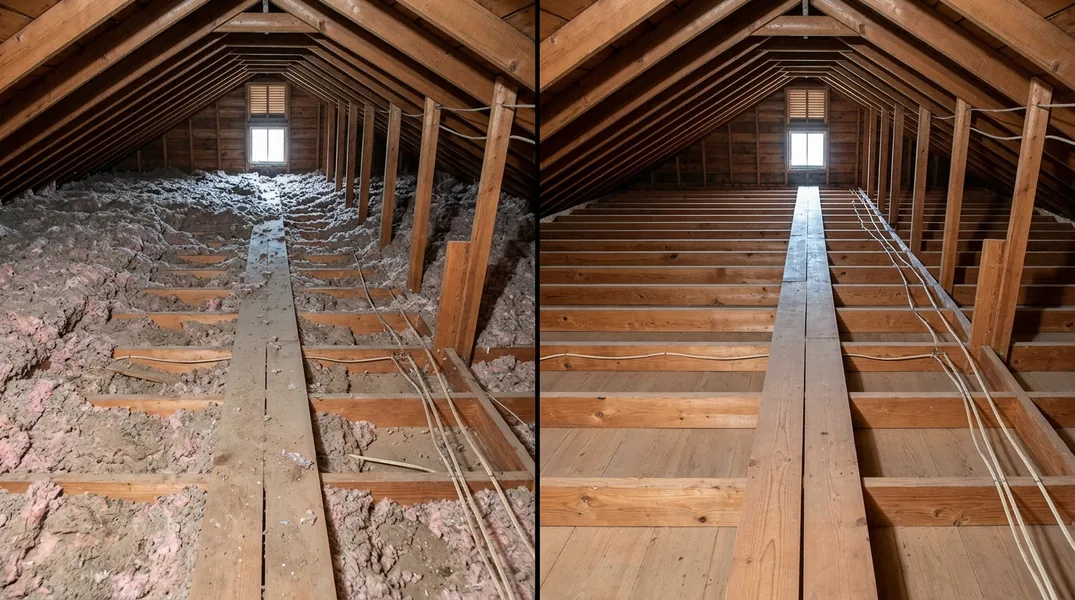
Why Historic Homes in Rochester Need Smart Insulation Solutions
Rochester is home to some of Minnesota's most charming downtown-era architecture. Many of these older homes feature beautiful original woodwork, plaster walls, and unique character that modern construction simply cannot replicate. However, these same architectural gems often come with significant energy efficiency challenges. Original construction methods left gaps, poor ventilation, and minimal insulation that send heating and cooling bills through the roof.
Homeowners face a genuine dilemma: how do you modernize energy performance without destroying the historic charm that makes these properties special? This is where the conversation around Attic Spray Foam Insulation becomes particularly relevant. Unlike traditional fiberglass batts or cellulose, spray foam can fill irregular cavities, seal air leaks, and preserve the existing structure without requiring walls to come down or original materials to be removed.
Is Spray Foam Insulation Worth It for Older Homes
The question of whether spray foam insulation is worth the investment depends on several factors specific to your home's condition and your priorities. For older Rochester homes, the answer is often yes, but with important nuances to understand.
Traditional insulation materials struggle with the irregular framing and hidden cavities common in older construction. Spray foam's ability to expand and conform to these spaces means you get superior air sealing, which directly reduces energy waste. Many homeowners report measurable reductions in heating costs during Minnesota winters and cooling costs in summer. When you factor in the long lifespan of spray foam (typically 80+ years), the energy savings can justify the upfront cost over time. However, the initial investment is higher than conventional insulation, so you should evaluate your timeline and comfort with the expense before committing.
Understanding Spray Foam Insulation Safety and Off-Gassing Concerns
Safety is a legitimate concern when considering any home insulation product, and spray foam is no exception. The good news is that when installed correctly by trained professionals, modern spray foam insulation is safe for occupants. The primary safety consideration involves the installation process itself, during which isocyanates (chemical components in the foam) are released. This is why proper ventilation, protective equipment, and professional installation are non-negotiable.
Spray foam off-gassing is a real phenomenon that occurs immediately after installation, but it typically dissipates within 24 to 48 hours with adequate ventilation. Once fully cured, the foam becomes inert and poses no ongoing health risk to residents. Homeowners should vacate the home during application and for several hours afterward, with windows open to allow proper air circulation. Choosing a licensed, experienced contractor who follows EPA guidelines and manufacturer specifications is essential. When you're ready to explore this option, contact Rochester Spray Foam Insulation for a free estimate and discuss safety protocols specific to your home.
Spray Foam Insulation Pros and Cons: A Balanced Look
Like any building product, spray foam insulation offers distinct advantages and some legitimate drawbacks worth considering before installation. On the positive side, spray foam provides superior air sealing, excellent thermal resistance (R-values ranging from R-3.6 to R-6.5 per inch depending on type), and exceptional moisture resistance. It fills gaps and cavities that traditional insulation cannot reach, reducing drafts and improving comfort. For historic homes where maintaining original walls is important, spray foam offers a non-invasive solution that doesn't require removing plaster or original materials.
The cons include higher upfront costs, potential for improper installation if contractors lack experience, and the off-gassing concern mentioned earlier. Additionally, spray foam is permanent. If you ever need to access wall cavities for repairs or modifications, the foam must be carefully removed, which adds expense. Some homeowners also report that Closed Cell Spray Foam Insulation can trap moisture if not installed with proper ventilation planning, though open-cell varieties are more vapor-permeable and may be better suited to certain applications. The key is understanding which type suits your home's specific needs.
Spray Foam Insulation Problems: What You Should Know
While spray foam is generally reliable when properly installed, several problems can arise from poor workmanship or unsuitable applications. One common issue is inadequate air sealing at seams and edges, which defeats the primary purpose of the material. Another problem occurs when spray foam is applied to walls without addressing existing moisture issues, potentially trapping water and causing mold. In rare cases, improper mixing ratios or application technique can result in foam that doesn't cure correctly or develops gaps and shrinkage.
Over-application is also a concern. Some contractors apply foam too thickly, which can create excessive pressure on wall cavities and potentially damage framing. Additionally, if Open Cell Spray Foam Insulation is used in areas prone to water intrusion without proper drainage planes, it can absorb moisture and lose effectiveness. These problems are largely preventable through careful contractor selection, proper site assessment, and adherence to building codes. Before choosing a contractor, ask about their experience with historic homes, their quality control measures, and whether they carry appropriate licensing and insurance.
Preserving Character While Upgrading Efficiency: The Right Approach
The art of insulating historic Rochester homes lies in selecting the right insulation method for each space. Attic applications are often ideal for spray foam because they're hidden from view and benefit most from superior air sealing. Wall & Injection Foam Insulation can be used in existing walls without disturbing plaster or original finishes, making it perfect for preserving exterior aesthetics. Basement and foundation areas are also good candidates where spray foam's moisture resistance provides added protection.
Before committing to any insulation project, work with a contractor who understands historic preservation principles. They should conduct a thorough energy audit, identify where air leaks are occurring, and recommend solutions that balance efficiency gains with character preservation. Some older homes benefit from a hybrid approach, combining spray foam in hidden spaces with other insulation types in visible areas. The goal is to achieve meaningful energy savings while maintaining the architectural integrity that makes your home special. To discuss the best strategy for your specific property, call (507) 577-5314 or request a free estimate from Rochester Spray Foam Insulation today.
Looking for a professional spray foam insulation contractor in Rochester? Rochester Spray Foam Insulation responds fast for all your spray foam insulation needs.
Get a Free Quote